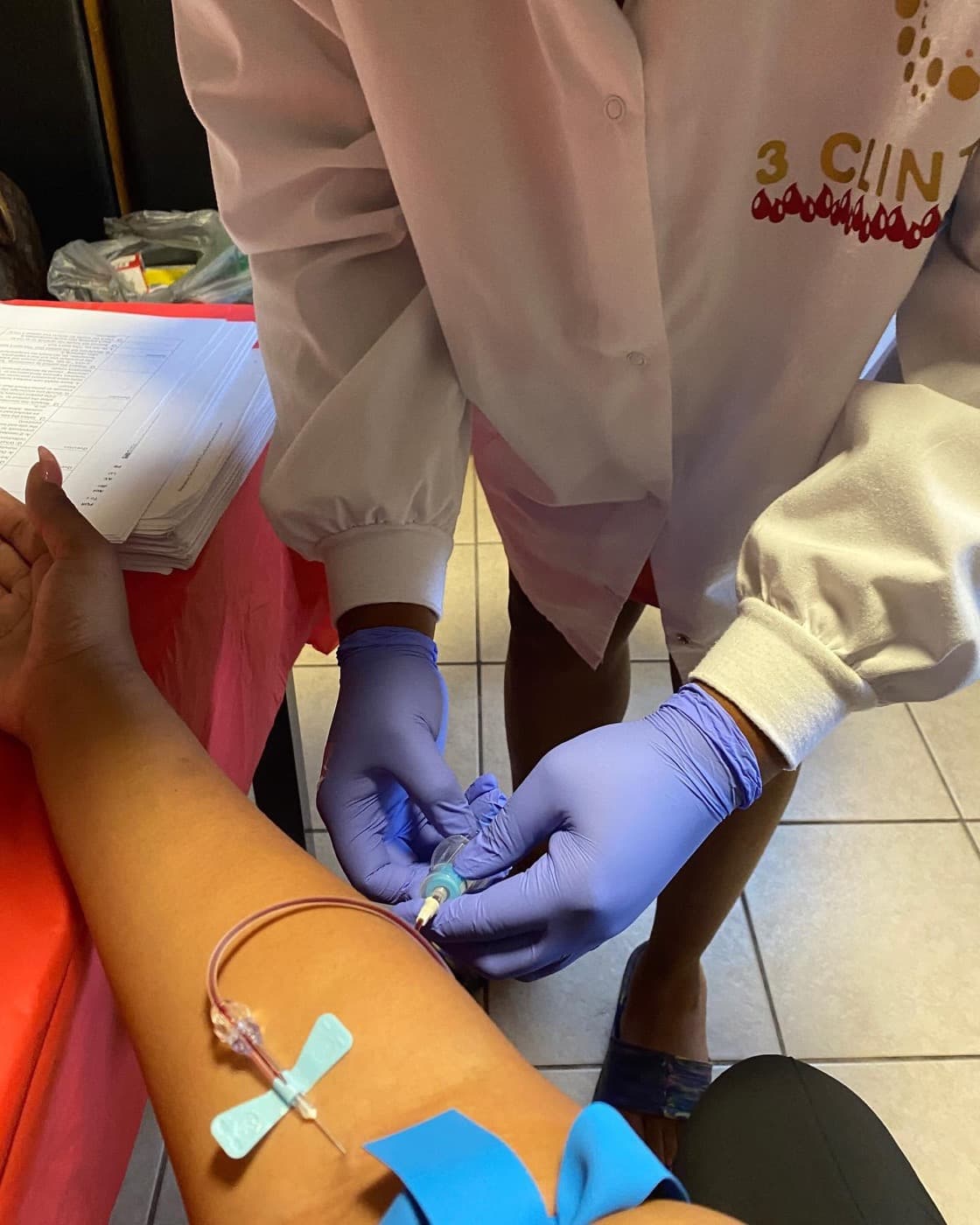
What Does a Phlebotomist Do?
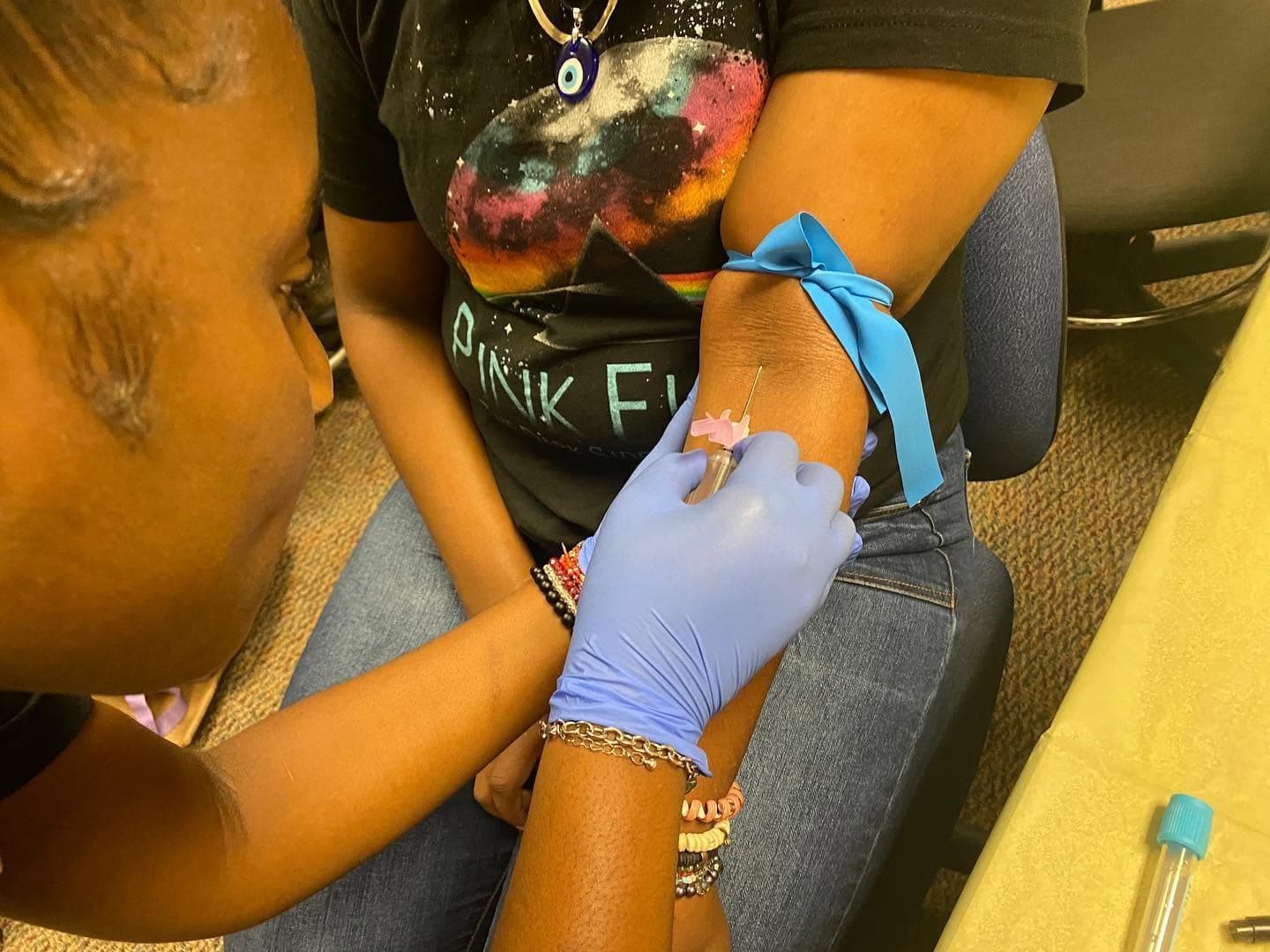
Phlebotomists are the healthcare professionals responsible for drawing blood specimens from patients for laboratory analysis, transfusions, research, and donation. They work in hospitals, outpatient clinics, reference laboratories, blood donation centers, and increasingly in patients' homes as mobile phlebotomists.
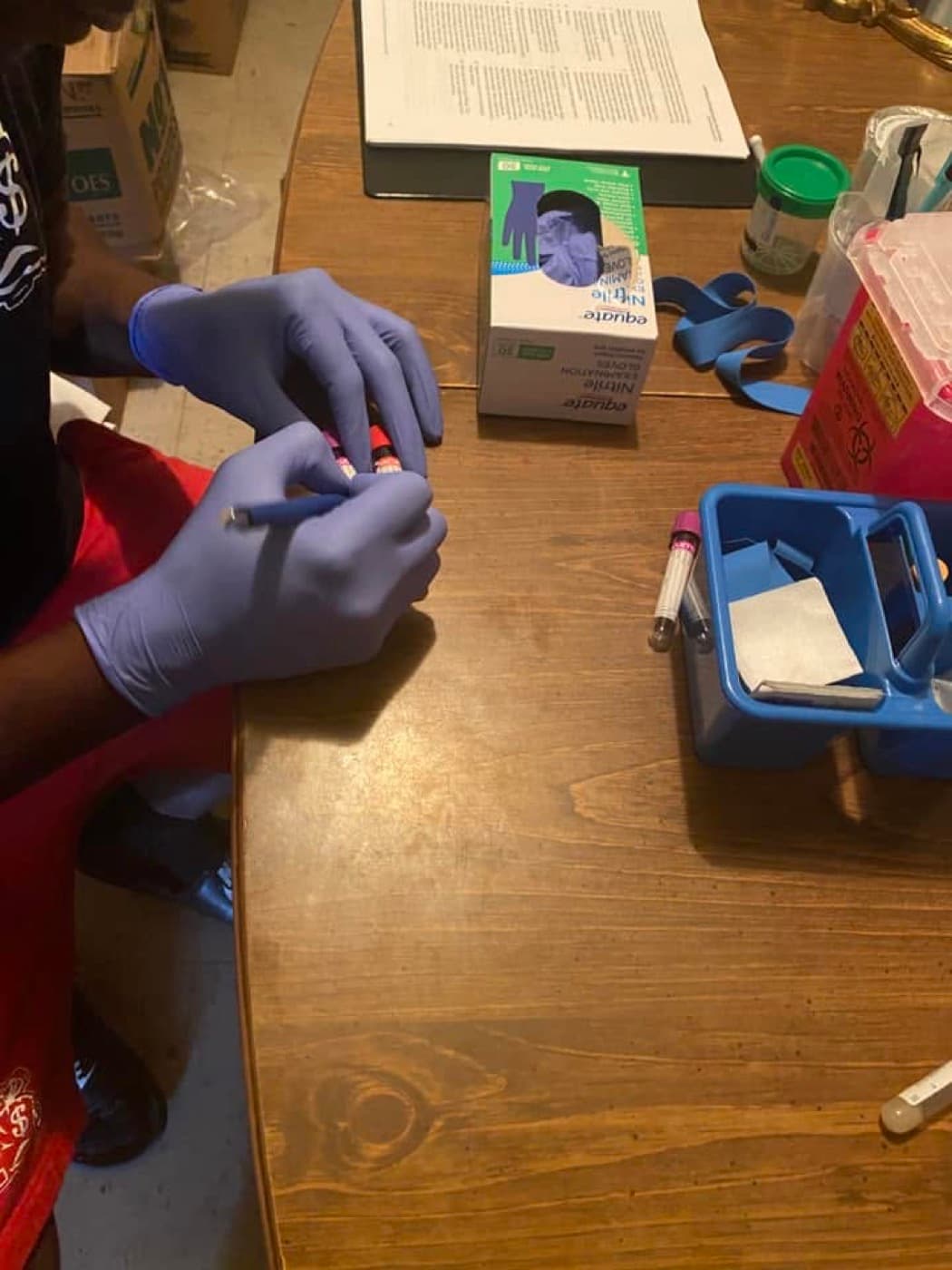
Beyond the blood draw itself, phlebotomists verify patient identity, confirm test orders, label specimens correctly, document collections in laboratory information systems, and ensure safe transport of specimens. Accuracy and patient comfort are equally central to the role.
How Long Does Phlebotomy Training Take?
Traditional phlebotomy certificate programs range from 4 to 12 weeks at community colleges and technical schools. Intensive programs — typically offered by private training providers — can be completed in 1–2 weeks with dedicated daily training. Phlebotomy can also be embedded within longer Medical Assistant (MA) programs that span 9–12 months.
At 1 Stikk Mobile, we offer flexible, self-paced phlebotomy training with live instructor guidance so you can balance your education with current work or family commitments. No prior healthcare experience is required to start.
What You'll Learn in a Phlebotomy Program
Training covers the theory and hands-on practice of venipuncture (drawing from veins), capillary puncture (fingerstick collections), and specialty draws. You'll learn the complete tube order of draw, proper labeling and handling, and specimen transport requirements to ensure sample integrity from collection to the lab.
Patient safety, infection control, and professional communication are woven throughout every quality phlebotomy program. Certification exam preparation is integrated so that graduates are ready to sit for national credentialing exams immediately after completing training.
National Phlebotomy Certifications Explained
The two most widely recognized certifications in the United States are the CPT (Certified Phlebotomy Technician) awarded by the National Healthcareer Association (NHA) and the PBT (Phlebotomy Technician) credential from the ASCP Board of Certification. Both are accepted by hospitals, clinics, and reference labs nationwide.
Certification demonstrates competency to employers and is often required for hospital employment. Some states — California, Louisiana, Nevada, and Washington — have additional state licensing requirements beyond national certification. Our training prepares graduates for both national exams and applicable state requirements.
Career Paths After Phlebotomy Certification
Certified phlebotomists can work across a wide range of healthcare settings: hospitals, outpatient labs, blood banks, physician offices, occupational health clinics, and mobile healthcare companies. The Bureau of Labor Statistics projects steady growth in phlebotomy demand through the decade as the aging US population requires more laboratory services.
Many phlebotomists use their certification as a stepping stone to other clinical careers — registered nursing, medical laboratory technology, or physician assistant programs. Mobile phlebotomy, offered by companies like 1 Stikk Mobile, is a fast-growing specialty that combines healthcare with the flexibility of field-based work.