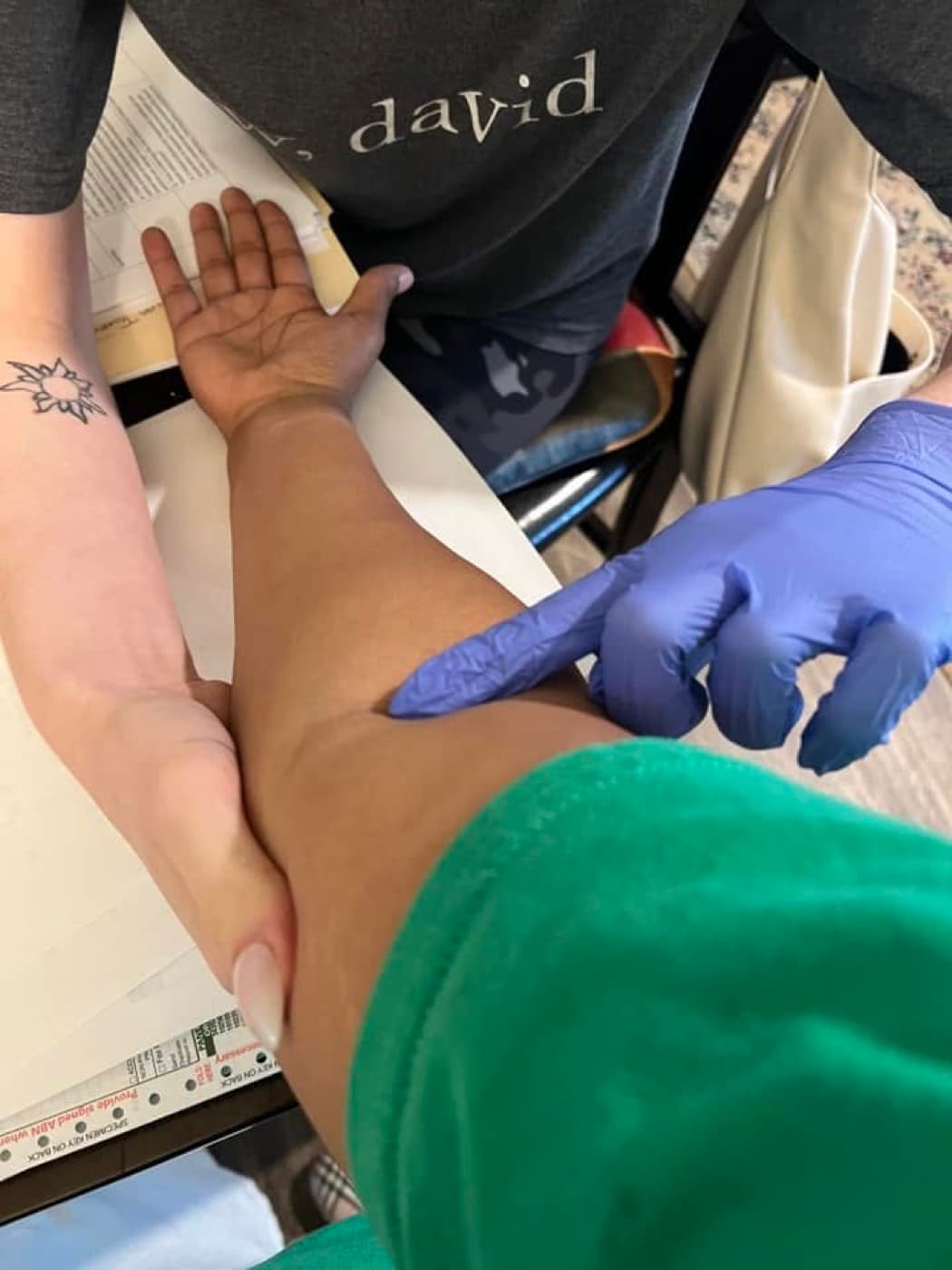
Where Drug Test Collectors Usually Work
Drug test collectors work in occupational health clinics, employer testing programs, mobile drug-screening businesses, staffing and hiring support operations, urgent-care settings, and compliance-driven testing environments. Some collectors work inside a larger healthcare role, while others use the skill as a specialized service line.
The work environment affects pay and schedule. A mobile or employer-facing collector may handle time-sensitive jobs, post-accident collections, or higher-volume testing windows. A clinic-based collector may see steadier daily volume. Either way, the core skill is useful because compliant specimen collection supports multiple industries.
What Salary Range Searchers Usually Care About
Salary content tends to perform because searchers want a practical number, not a vague promise. Depending on market, setting, schedule, and whether the collector bundles additional healthcare skills, many people frame the role somewhere around the mid-thirty-thousand-dollar range up into the low fifty-thousand-dollar range annually.
The exact number varies, but the more important conversion point is the ratio between entry cost and skill value. A low-cost training path can make much more sense to a career changer when the potential work is measurable and concrete.
Why a $75 Entry Point Changes the ROI Conversation
A training offer at $75 does not ask the student to take a huge financial leap before they know whether the path fits them. That lower threshold is especially important for people re-entering the workforce, adding a credential, or building a mobile healthcare side skill.
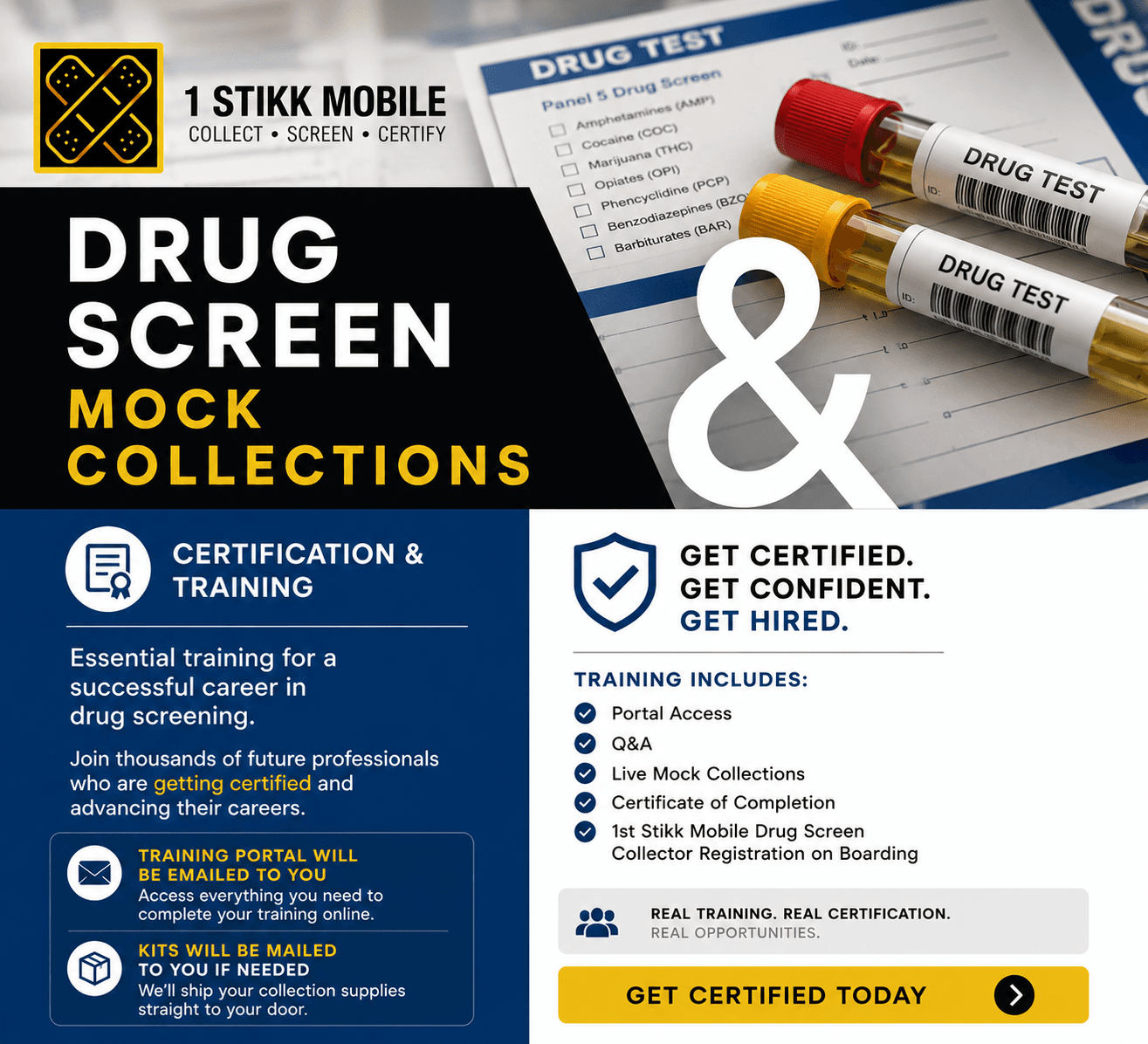
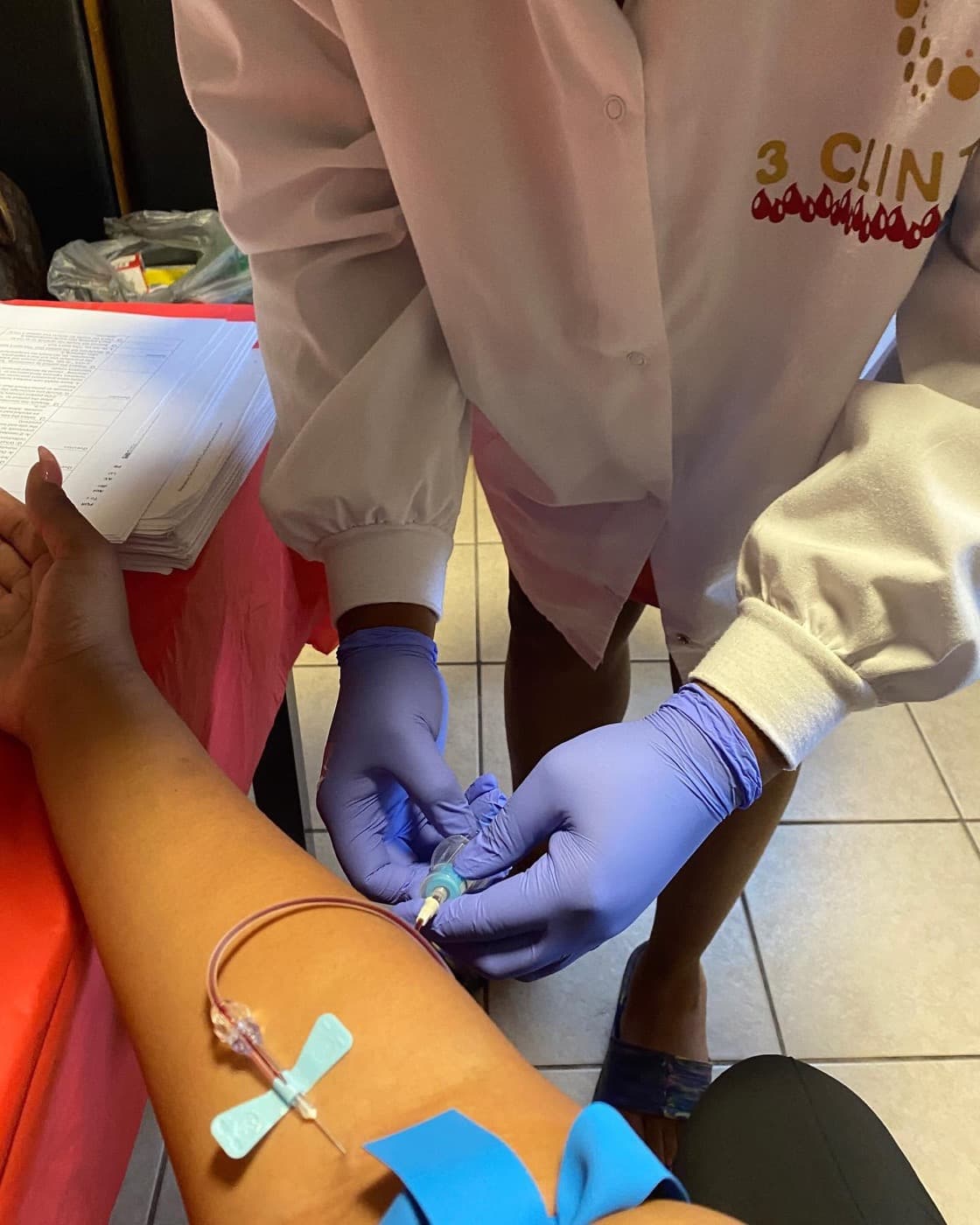
The offer becomes even stronger when the student is not only paying for information. A physical mock kit, live virtual mock collections, and certificate guidance make the training feel more complete. That improves perceived value and gives the learner a better reason to act now instead of waiting.
How Collector Skills Can Compound With Other Roles
Drug test collector training can stand on its own, but it also pairs well with other healthcare and workforce skills. Someone with experience in phlebotomy, occupational health, employer screening, clinic support, or mobile healthcare can often use collector training as a complementary credential that expands what they can offer.
That is one reason the keyword cluster has strong buying intent. Searchers are not always starting from zero. Many are professionals or near-professionals looking for a practical add-on skill that can improve employability, flexibility, or service offerings.
What Makes the Best Salary Content Convert
The best salary content does not overpromise. It frames the training as a realistic step toward a usable skill, not a guaranteed outcome. Buyers respond better when the page connects cost, included support, and real workplace applications in a clear way.
That is the strength of 1 Stikk Mobile's collector-training positioning. The page can honestly say the mock kit is only $75, the practice is live, the supplies are shipped, and the workflow is grounded in real healthcare operations. That is a more believable conversion story than inflated income claims or vague certification hype.